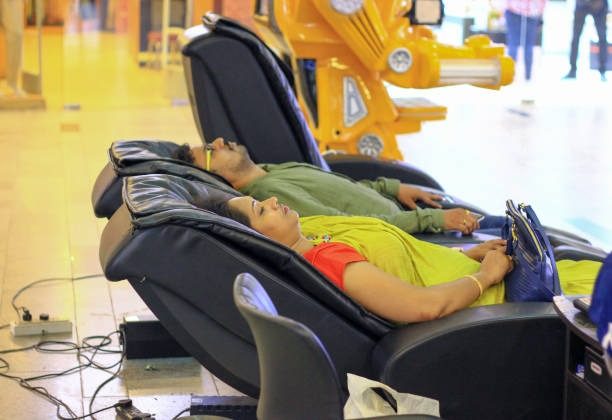
When considering the purchase of a massage chair, warranty coverage often plays a crucial role in the decision-making process. Many consumers rely heavily on warranties as a safeguard against potential defects or malfunctions. However, reviews of massage chairs frequently reveal recurring issues related to warranty policies and their execution, which can significantly impact customer satisfaction.
One common complaint found in numerous massage chair reviews concerns the limited scope of warranty coverage. While many manufacturers advertise comprehensive warranties that cover major components such as motors and frames, users often discover that smaller yet essential parts like airbags, rollers, or control panels are excluded or covered only for a very short period. This selective coverage can lead to unexpected repair costs shortly after the expiration of the primary warranty period.
Another frequent issue is the duration of the warranty itself. Some budget-friendly models offer relatively short warranties-sometimes as brief as six months to one year-which might not be sufficient given the investment involved in purchasing these chairs. Customers who experience problems just after this window closes express frustration at having to pay out-of-pocket for repairs or replacements that they believed would be protected under their initial purchase agreement.
The process required to claim warranty service also emerges repeatedly as a source of dissatisfaction among users. massage chair reviews highlight difficulties such as complicated claim procedures, slow response times from customer support teams, and stringent requirements for proof of purchase and maintenance records. In some cases, customers report being asked to send back large and heavy equipment at their own expense before any repair work is authorized-a costly and inconvenient demand that diminishes trust in both seller and manufacturer.
Moreover, there are instances where reviewers mention discrepancies between what was promised at sale time regarding warranty terms versus what is actually honored later on. Some buyers feel misled when companies provide vague or overly technical descriptions about what constitutes normal wear-and-tear versus defects covered by warranty protection.
Lastly, certain brands receive criticism for poor post-warranty support options. After initial coverage expires, obtaining affordable replacement parts or professional servicing becomes challenging due to limited availability or high costs imposed by manufacturers’ authorized service centers.
In summary, while massage chairs offer relaxation benefits worth investing in, prospective buyers should carefully scrutinize warranty details before making a commitment. Common issues include restricted component coverage, short durations insufficient for long-term use, complex claims processes requiring extensive documentation or costly shipping arrangements, unclear policy communication leading to unmet expectations, and inadequate post-warranty support services. Being aware of these typical pitfalls helps consumers make more informed choices and seek products backed by reliable warranties that truly protect their investment over time.